A Focus on the Frontline: Bringing UNFCCC Processes to Civil Society Actors Looking to Engage

By Chidiebele Ikpeazu, Legal Fellow

Image credit: The Resource Justice Network
As the 31st Conference of the Parties (COP31) to the United Nations Framework Convention on Climate Change (UNFCCC) approaches in November, civil society actors and frontline communities across the Global South face increasing rights violations and injustices stemming from the growing global demand for transition minerals. Mining justice underpins climate justice: a truly just transition must be inclusive and equitable, focusing on solutions for the communities most affected by the shift away from fossil fuels. In light of this, it is essential for the upcoming negotiations to meaningfully address the concerns and suggestions of those on the frontlines of the energy transition.
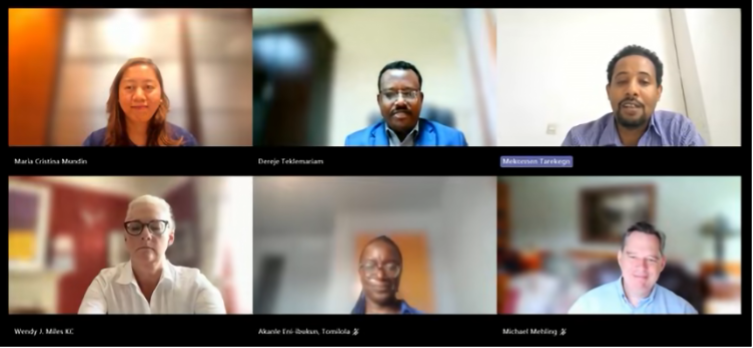
In June 2026, International Lawyers Project co-hosted a webinar with Resource Justice Network (RJN) aimed at strengthening the capacity of civil society actors to participate in UNFCCC processes and to engage with climate negotiators to ensure that international decisions reflect the needs of those most impacted by climate change and the energy transition. The session also explored opportunities for advancing rights-based mineral governance through the UNFCCC Just Transition Work Programme and other negotiating tracks.
The Context and Tensions
This webinar is the result of RJN’s commitment to strengthening rights-based advocacy in advance of COP31 and its partnership with ILP, which identified the pro bono legal support needed to develop and deliver the presentation, aligned with both organisations’ missions. The webinar served as a powerful reminder that current climate governance is often fragmented. While states negotiate the mechanics of carbon reduction, the people living in resource-rich regions of the Global South, the very places where the energy transition is most tangible, are often left on the periphery.
Angela Asuncion, Asia Pacific Regional Coordinator at Resource Justice Network, opened the session by framing the conversation in terms of its importance, highlighting RJN’s strategy leading to COP31, and considering pathways for member engagement. After providing a history of COP, the world’s central decision-making arena under the UNFCCC, Asuncion explained the significance of the space for RJN members, allies and partners. Emphasising RJN's mission to provide a leading civil society voice that prioritises local and Indigenous community rights in the just transition, Asuncion made the significance clear, setting the stage for an in-depth conversation on placing the focus on the frontline.
Anabella Rosemburg, Senior Advisor on Just Energy Transitions at Climate Action Network International, provided a brief introduction to contemporary dynamics within the UNFCCC and Bonn ecosystem. Sharing insight into the inner workings of UNFCCC negotiations, a unique perspective given Climate Action Network's status as a UNFCCC CSO constituency, Rosemburg advocated for a unified, holistic approach to a successful just transition. Rosemburg’s advocacy, however, was coupled with caution. The ongoing tendency to frame economic prosperity and environmental protection as opposing forces, the resulting urge to sacrifice one for the other, Rosemburg argued, is a barrier to genuine progress, hindering the achievement of a successful transition.
The next speaker was Thato Gabaitse, a Botswana-based just transition negotiator, climate policy strategist, and international development professional working at the intersection of climate governance, equitable implementation, and sustainable development. Approaching just transition from an alternative, yet related angle, Gabaitse drew attention to the frontline communities at the core of the movement’s efforts. As Gabaitse pointed out, the term “just transition”, while commonly used, means very little in practice. Whether speaking of the EU’s approach to the movement or to the perspective of Multilateral Development Banks (MDBs), these definitions, Gabaitse asserted, often fail to emphasise the human-centric, justice-based needs of local communities.
The distinguished panel also featured Adv. M. Hafijul Islam Khan, one of the lead climate negotiators for the Least Developed Countries (LDCs) group at the UNFCCC and the Director of the Centre for Climate Justice – Bangladesh (CCJ-B). Adv. Khan’s message focused on the need to centre local communities and perspectives from the most impacted regions in climate negotiations.
Luc Tezenas, Head of Policy and Advocacy at Resource Justice Network, concluded the panel by sharing RJN’s purpose at Bonn, the mid-year UNFCCC intersessional that hosts negotiation and decision-making ahead of COP31, and highlighting the main outcomes from that session. Tezenas emphasised the importance of broadening the regional demographic participants in the COP, an effort that could support a move away from entertaining the Global North’s wants towards prioritising the Global South’s needs. With this understanding, Tezenas concluded with one of RJN’s critical takeaways from Bonn: that members should engage with each other ahead of COP31.
Outcomes and Next Steps
This webinar strengthened attendees’ understanding of how to engage with UNFCCC processes and particularly how to engage with climate negotiators to advocate for rights-based mineral governance. The discussions went beyond providing theoretical knowledge, identifying practical opportunities for civil society to engage with negotiators and constituencies before and during COP31.
The core lesson from the first session is clear: the current framework for a just transition is dangerously siloed, lacking common vocabulary and a unified, actionable framework. To move forward, the international community must dismantle the barriers that separate policymakers from the frontline communities they represent.
The webinar was the first of a two-part series seeking to engage a broader host of participants in UNFCCC processes. The second webinar session will take place in the run up to COP31.
If you would like to be notified about the next webinar, please follow International Lawyers Project on LinkedIn where we will post upcoming events co-hosted by ILP and its community partners.
International Lawyers Project provides pro bono legal support to more than 100 civil society organisations, communities and individuals each year. Through our Environment and Sustainable Development programme, ILP works with our partners to protect community land rights and biodiversity, combat environmental crime and corruption, provide guidance on the implementation of fiscal tools for sustainable development, and ensure a just transition.
If you need assistance or advice in this area, please contact us at contact@internationallawyersproject.org to discuss how we can help.